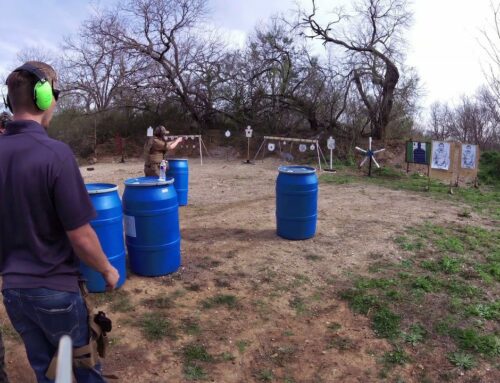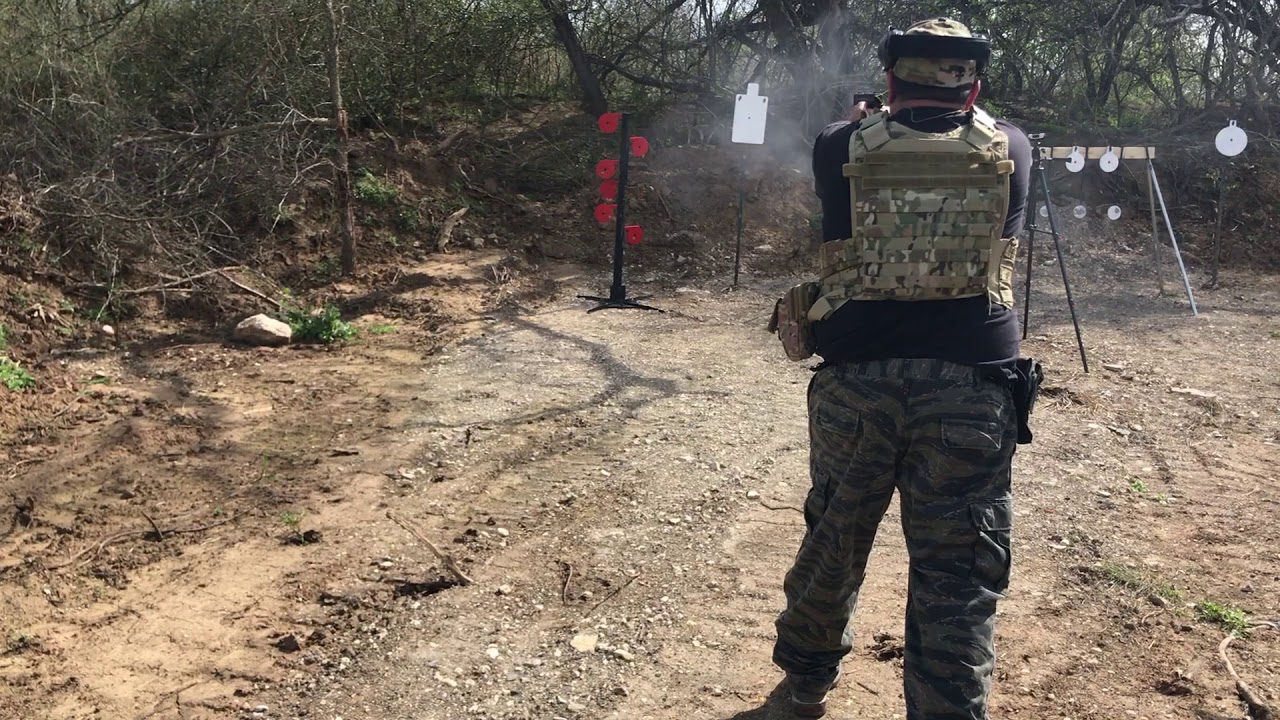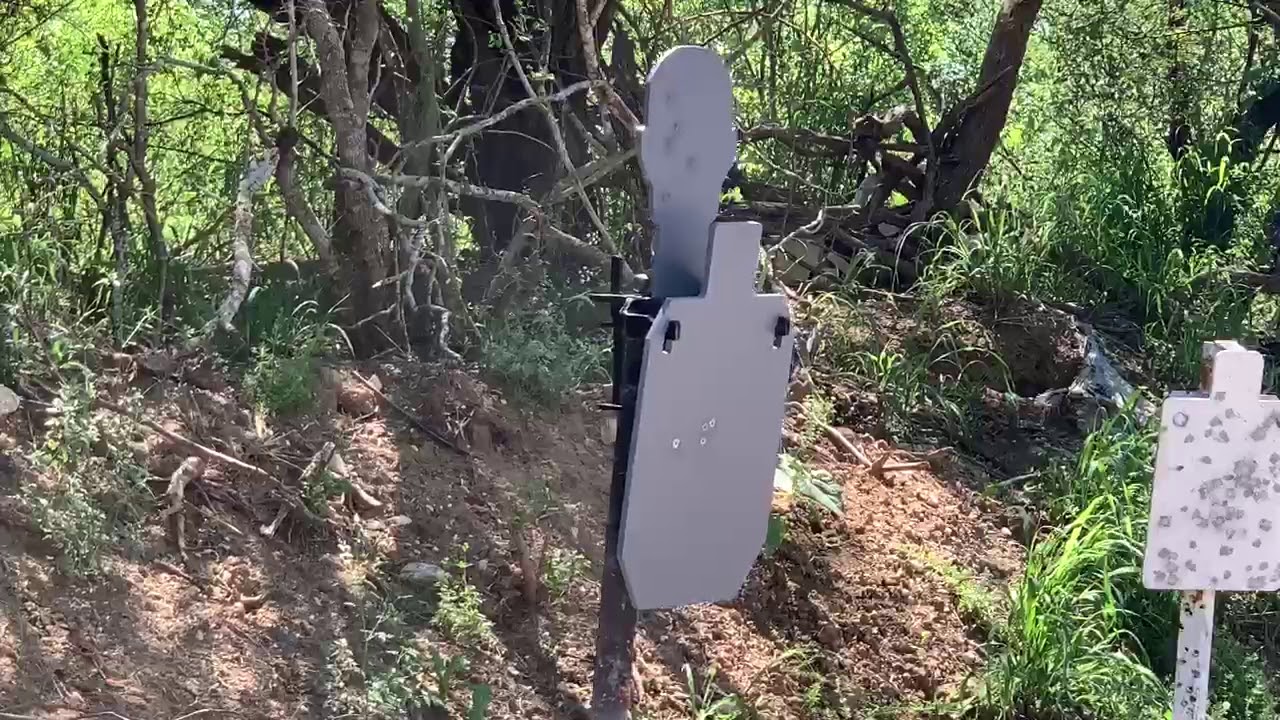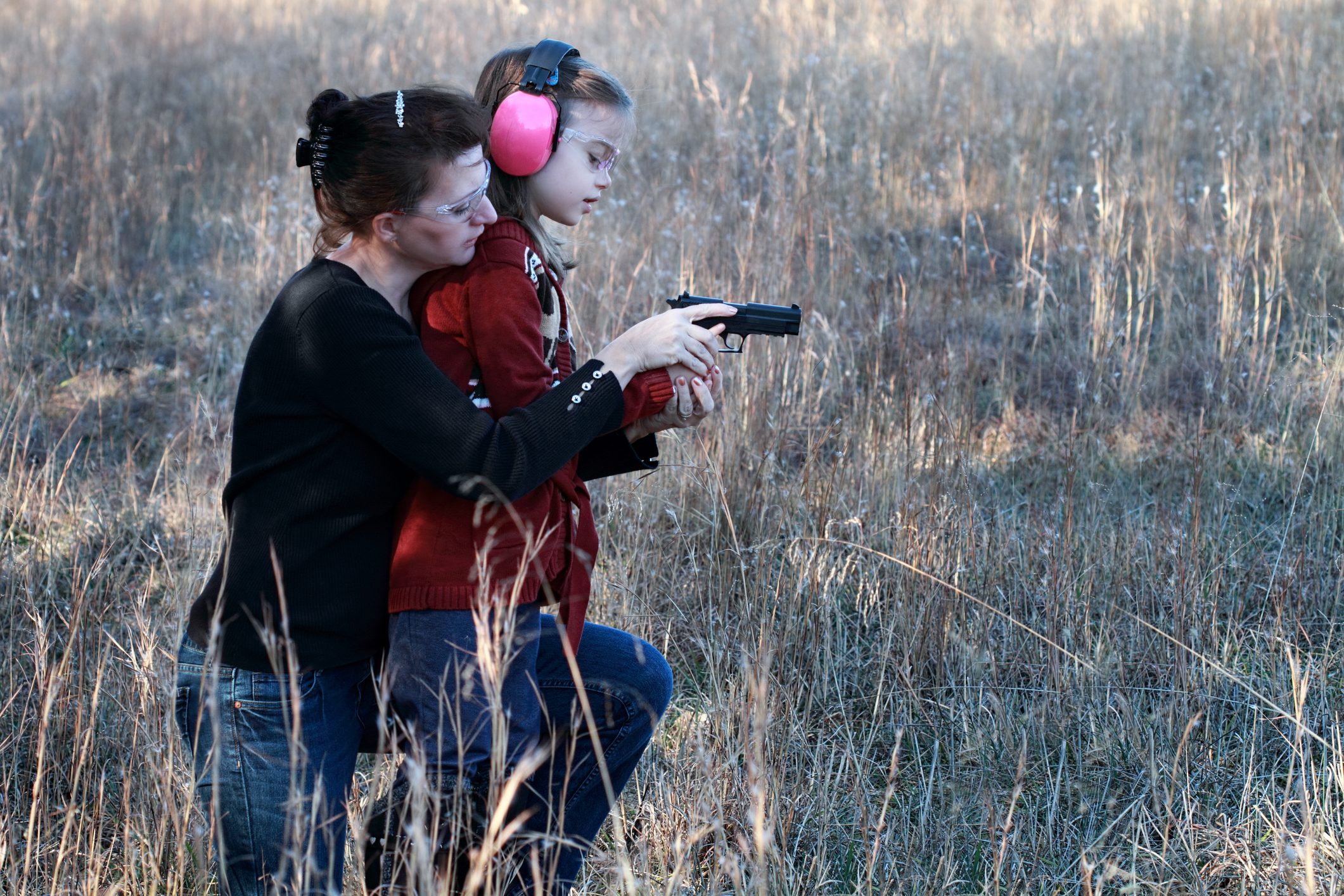
How to Improve Hunting Skills With Metal Spinning Targets
Hunting season doesn’t make you a better shot — preparation does. The hunters who consistently tag game aren’t just luckier; they’ve put in the off-season work to build the muscle memory, focus, and mechanical skills that hold up under pressure when it counts.
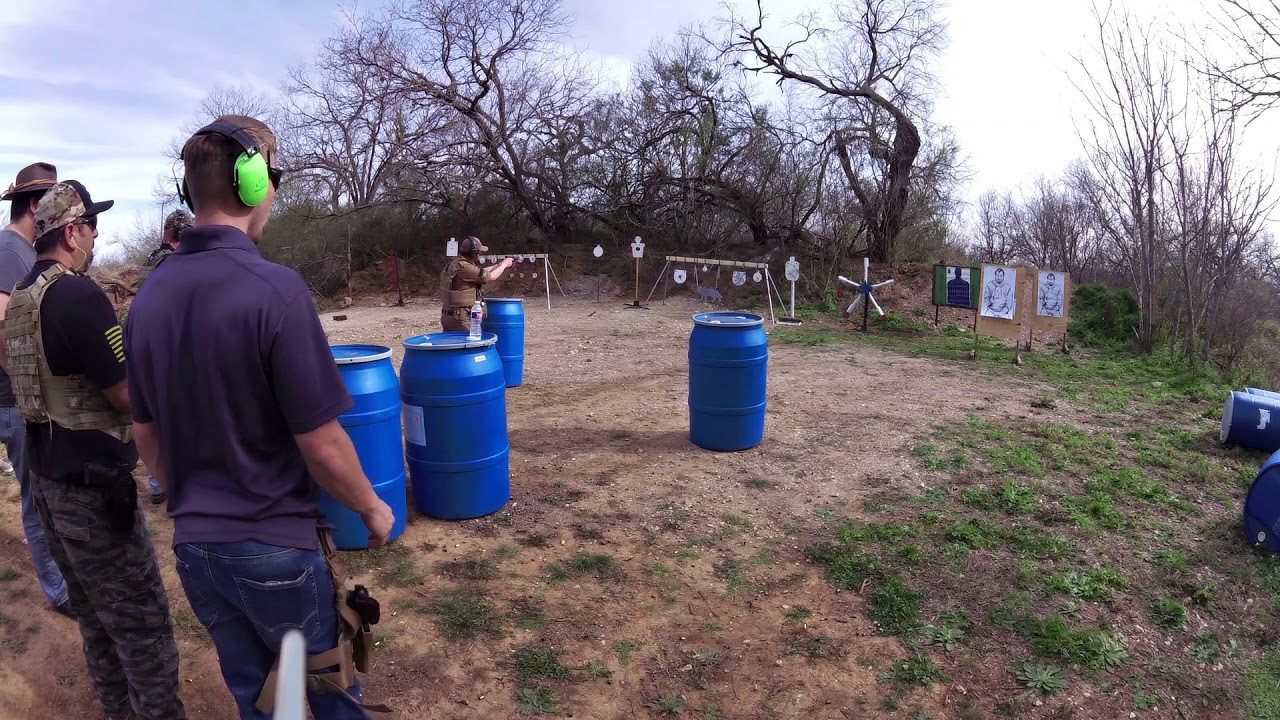
One of the most effective ways to build those skills? Metal spinning targets.
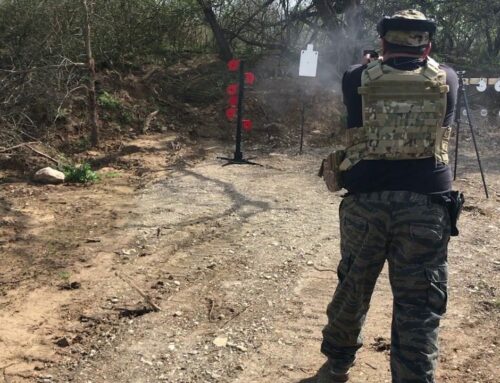
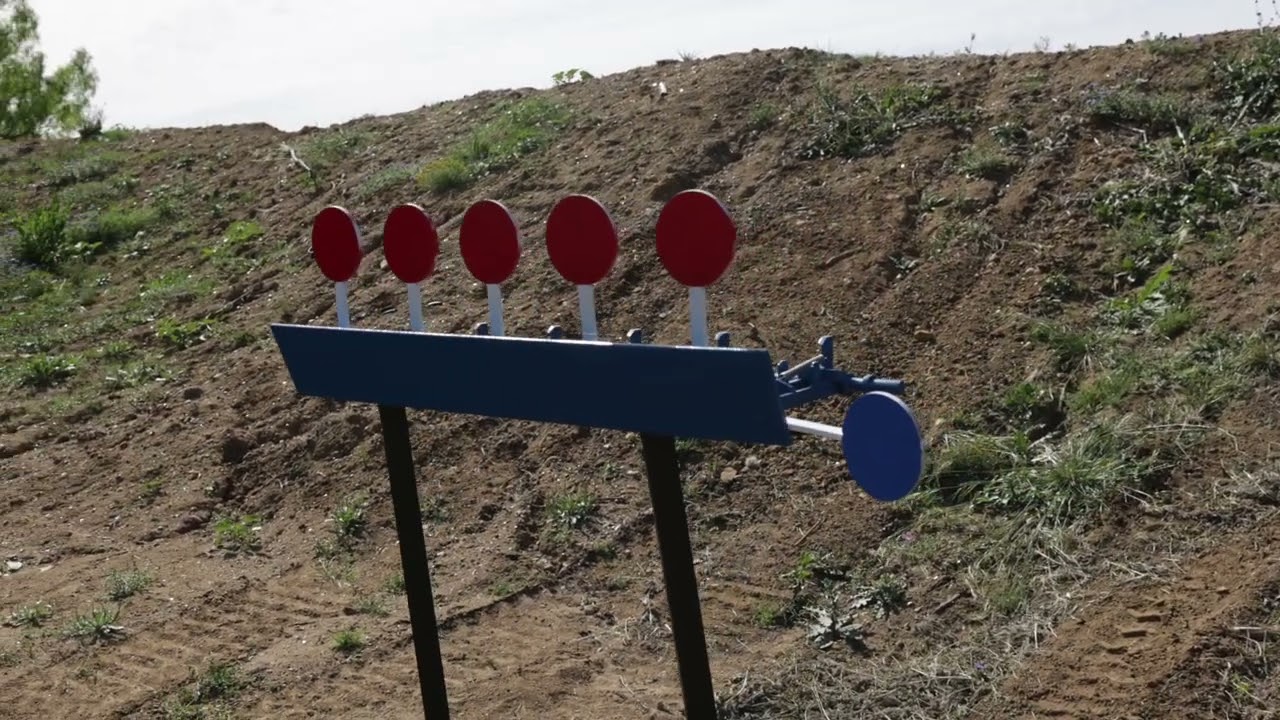
Reactive steel targets — particularly spinning and falling plate designs — give you instant auditory and visual feedback on every shot. You know immediately whether you hit or missed, how well you held your position, and whether your zero is dialed in. That feedback loop is what accelerates improvement far faster than paper targets alone.
Here’s a complete guide to using metal spinning targets to elevate your hunting accuracy before the season opens.
Why Metal Spinning Targets Work for Hunters
Most hunters practice on paper or cardboard. Those targets have their place, but they lack one thing: immediate feedback.
With metal spinning targets:
- You hear every hit. The satisfying ring of steel tells you instantly whether the shot connected — no walking downrange required.
- Movement simulates game. A spinning or falling plate doesn’t hold still, which trains your eye to track and lead a moving target — far closer to real hunting conditions than a static paper bullseye.
- Durability means more reps. A quality AR500 steel spinning target handles thousands of rimfire rounds without deforming. Paper needs constant replacement. Steel pays for itself quickly.
- They work at any distance. Set them at 25 yards for close-range consistency or push out to 100 yards for precision long-range work.
7 Ways to Use Spinning Targets to Improve Your Hunting Skills
1. Build Mental Focus Through Consistent Practice Routines
Accurate shooting is as much a mental discipline as a physical one. Consistency under pressure — whether from adrenaline in the field or fatigue on the range — requires a practiced, repeatable mental routine.
Dry fire first. Before any live fire session, spend 10–15 minutes dry firing. No rounds, no recoil, just deliberate practice on trigger press, sight alignment, and follow-through. This builds neural pathways that carry over to live fire without the flinch reflex that range noise can create.
During live fire, commit to a process:
- Acquire the target
- Settle your breathing (exhale halfway, hold)
- Press the trigger smoothly through the break
- Follow through — keep the sight picture as the shot fires
- Call the shot (where did the sight picture look at the moment of ignition?)
If you’re having an off day — flinching, rushing, not calling shots — stop. Come back tomorrow. Practicing bad habits locks them in just as efficiently as practicing good ones.
2. Practice Shooting Positions That Mirror Real Hunting Scenarios
Most hunters zero their rifle from a bench rest, then hunt from positions they’ve never practiced. That’s a recipe for misses.
Recommended off-hand hunting positions to train:
| Position | When It’s Used in the Field | Tips |
|---|---|---|
| Cross-legged (sitting) | Ground blind, flat terrain | Keep elbows on knees, not wrist bones — bone on bone is unstable |
| Open-leg sitting | Open terrain, quick setup | Wider base, lower center of gravity |
| Crossed-ankle sitting | Hillside, brush hunting | Good for uneven ground |
| Kneeling | Low brush, partial cover | Use a shooting stick or sling for added stability |
| Prone | Long-range, open fields | Most stable position; practice with a bipod or pack rest |
| Standing offhand | Timber, fast-moving game | Hardest position; focus on bone support, not muscle |
Train each position with your rimfire rifle and spinning targets at 50 yards. Once you can consistently ring the target from every position, move the target to 75 and then 100 yards. The goal is for each position to feel as natural and stable as your bench rest.
3. Use a Rimfire Rifle and .22LR Ammo to Build Fundamentals
High-powered centerfire cartridges are expensive, punishing on the shoulder, and can mask technique problems through brute force. Rimfire training is smarter.
Practicing with a .22LR rifle at 50 yards on metal spinning targets:
- Reduces cost — .22LR is a fraction of the price of .308 or 6.5 Creedmoor
- Eliminates recoil anticipation — You can’t flinch your way through a .22, so you build honest trigger mechanics
- Scales accurately — A 2″ group at 50 yards with .22LR correlates well to field accuracy with a centerfire at 100+ yards
- Keeps the spinning target spinning — Rimfire-rated AR500 steel spinning targets are designed specifically for .22LR and similar rimfire cartridges, maintaining their integrity through thousands of rounds
Once your fundamentals are consistent at 50 yards, transition back to your centerfire hunting rifle. The mechanics translate directly.
4. Use a Sling Properly for Field-Ready Stability
Many hunters carry a sling as a convenience strap and nothing more. Used correctly, a sling is a stability tool that can add inches to your effective range.
For hunters who frequently shoot from sitting or kneeling positions, an adjustable loop sling — sometimes called a “hasty sling” — is the most practical option:
- Loop your support arm through the sling so it wraps around your upper arm
- The tension pulls the rifle into your shoulder and stabilizes your hold
- Works across multiple positions without adjustment
Practice mounting the sling quickly before each range session with your spinning targets. The goal is to make it automatic — so in the field, setting up the sling takes seconds, not minutes.
5. Set Your Zero Correctly for Hunting Distances
Most missed big game shots go high — and it’s usually a zeroing problem, not a marksmanship problem.
Here’s what’s happening: hunters often zero their rifle at 100 yards, then take shots at 200, 250, or 300 yards without accounting for bullet drop. At the same time, shots inside 50 yards on a 100-yard zero hit higher than expected.
A practical hunting zero for most cartridges:
| Zero Distance | Point of Impact at 50 yds | Point of Impact at 200 yds | Point of Impact at 300 yds |
|---|---|---|---|
| 100 yards | ~1″ high | ~2–3″ low | ~8–12″ low |
| 200 yards | ~1.5–2″ high | Dead on | ~6–8″ low |
| 25/250 “MPBR” | ~1.5″ high | ~1.5″ high | ~3–4″ low (caliber dependent) |
The maximum point-blank range (MPBR) zero — where you sight in so the bullet stays within a 3″ window above and below the line of sight out to its maximum distance — is a popular and practical method for deer hunters. Know your cartridge’s ballistics and set your zero accordingly.
Use your metal spinning targets at varied distances — 50, 100, 150 yards if possible — to confirm your zero holds at each range, not just the distance you zeroed at.
6. Choose the Right Scope Magnification for Hunting
More magnification feels like an advantage. Often, it’s the opposite.
For most hunting applications, 1–6x or a fixed 4x scope outperforms high-magnification optics because:
- High magnification amplifies movement. At 12x or 16x, your heartbeat, breathing, and minor wobble are all visible — and can cause overcorrection and flinching.
- High magnification narrows field of view. In timber or brush, you may not even be able to find a deer at 12x before it moves.
- Light transmission drops at high magnification. Dawn and dusk — prime hunting hours — demand maximum light gathering. A lower-power scope with quality glass outperforms a high-power scope with mediocre glass in low light.
General scope magnification guidelines for hunting:
| Hunting Scenario | Recommended Magnification |
|---|---|
| Whitetail in timber or brush | 1–4x |
| Whitetail in open fields | 3–9x |
| Mule deer, open terrain | 4–12x |
| Long-range Western hunting | 4–16x (but train at those distances) |
Practice at your hunting magnification setting on spinning targets at realistic distances. If you can’t consistently ring a 6″ plate at 100 yards on your hunting scope setting, you need more practice before season — not more magnification.
7. Know Your Limits — And Train to Extend Them
Ethical hunting means taking shots you’re confident in and passing on those you’re not. But “knowing your limits” isn’t static — it expands with practice.
Use spinning targets to establish and push your effective range:
- Start at 50 yards. Hit the spinning target 10/10 times from your preferred hunting position.
- Move to 75 yards. Same standard — 10/10.
- Move to 100 yards. If you drop below 8/10, that’s your current field limit.
- Continue extending in 25-yard increments as your skill develops.
Keep a simple log: date, distance, position, hits out of 10, weather conditions. Over months of practice, you’ll watch your effective range extend — and your confidence in the field grow with it.
The ethical rule: if you wouldn’t bet on making a clean kill shot in training conditions, don’t take the shot in the field. A wounded animal that escapes is worse than a passed shot.
Best Metal Spinning Targets for Hunting Practice
Not all spinning targets are built the same. For hunting practice — which often involves rimfire training and eventually centerfire verification — you need targets that are rated for your caliber and built to last.
What to look for:
- AR500 steel construction — Hardened to withstand thousands of rounds without cratering or deforming
- Proper rating for your caliber — Rimfire-specific targets for .22LR practice; rifle-rated targets for centerfire confirmation
- Spinning or reactive action — Motion simulates moving game and provides instant hit feedback
- Appropriate sizing — 4″–6″ plates for precision training; larger plates for positional drill warm-ups
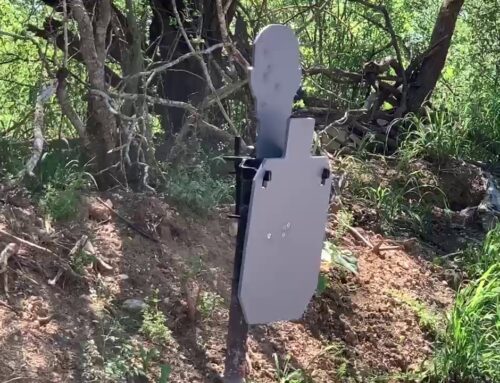
AR500 Steel-Targets carries a full range of reactive spinning targets built for both rimfire and centerfire use, as well as animal silhouette targets that replicate realistic hunting scenarios.
Frequently Asked Questions: Hunting Practice With Metal Spinning Targets
What are metal spinning targets and how do they work?
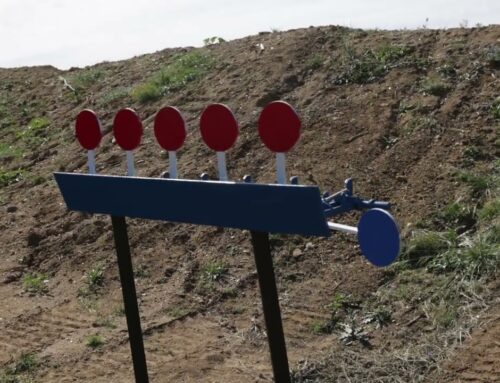
Metal spinning targets are reactive steel plates mounted on a pivot or hanger that rotate or spin when struck by a bullet. When hit, the target spins and produces an audible ring — giving the shooter immediate confirmation of a hit. They’re used extensively for hunting practice because the movement and feedback simulate real field shooting conditions better than static paper targets.
What caliber can I use with metal spinning targets?
It depends on the target’s steel rating. Rimfire-rated spinning targets (made from AR500 or similar hardened steel) are designed for .22LR, .17 HMR, and similar rimfire cartridges at appropriate distances. Rifle-rated spinning targets handle centerfire pistol and rifle cartridges. Always check the manufacturer’s caliber rating and minimum distance requirements before shooting.
How far should I practice with spinning targets to prepare for deer hunting?
Start at 50 yards with a .22LR rifle to build fundamentals, then work up to 100 yards. Once consistent at 100 yards with your centerfire hunting rifle, practice at realistic hunting distances for your terrain — 150 to 300 yards for open country, closer for timber. Your effective practice range should exceed your intended field range.
Are metal spinning targets safe to shoot?
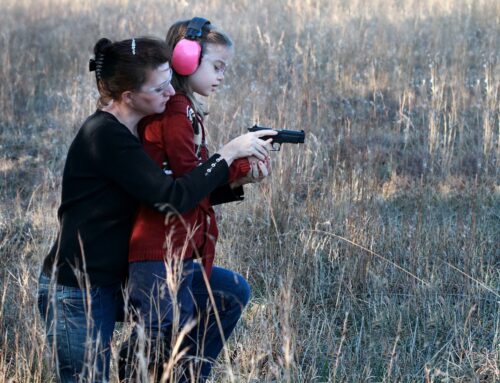
Yes, when used correctly. Key safety rules: always use AR500 or equivalent hardened steel (softer steel deforms and creates dangerous ricochet angles), observe the manufacturer’s minimum safe distance for your caliber, inspect targets before each session for dents or damage, and always wear eye and ear protection. Never shoot a damaged or deformed steel target.
Can spinning targets help improve accuracy for deer hunting specifically?
Yes. Spinning targets develop three skills critical to deer hunting: precise trigger control (the target rewards a clean press and punishes a jerk), positional shooting (you can practice from sitting, kneeling, and prone), and target tracking (the spinning motion trains your eye to stay on a moving object). All three directly translate to clean, ethical shots in the field.
How often should I practice with spinning targets before hunting season?
Aim for at least two to three structured range sessions per month in the three months leading up to season, supplemented by daily 10–15 minute dry fire sessions at home. By the time season opens, you should have hundreds of repetitions in your muscle memory across multiple positions and distances.
The Bottom Line
The difference between a hunter who comes home with a filled tag and one who comes home with a story about a miss often comes down to preparation. Metal spinning targets are one of the most effective, cost-efficient tools for building the accuracy, consistency, and field confidence that successful hunting demands.
Practice your positions. Zero your rifle correctly. Know your limits — and train to push them. The off-season is when tags are won.
AR500 Steel-Targets carries AR500-rated spinning targets, reactive plates, and animal silhouette targets built for hunting practice. Browse our reactive target collection or shop animal silhouette targets to start building your pre-season range setup.